

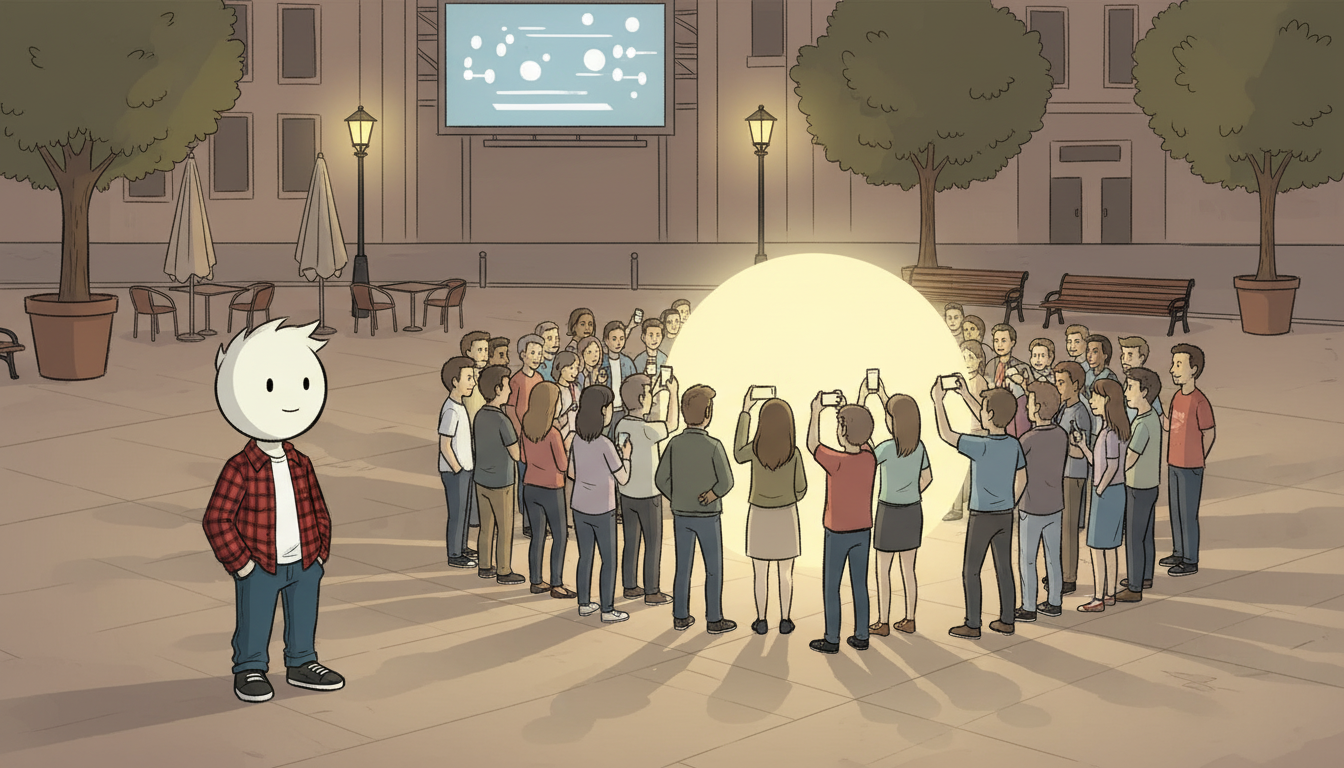
Welcome to a fascinating exploration of one of psychology’s most intriguing phenomena: the Outsider Effect. Whether you’re an observer of social dynamics, a leader navigating team conflicts, or simply someone who’s ever felt misunderstood in a crowd, this effect might just explain why you feel different—and why that difference matters.
The Outsider Effect: What It Is and Why It Matters
The Outsider Effect refers to the psychological and social phenomenon where individuals who are perceived as different—or who actively choose to stand apart from the group—are often treated with suspicion, reduced to stereotypes, or even excluded. This effect isn’t just about being “the odd one out”; it’s about how social identity, group norms, and perceived threat trigger automatic reactions in others.
Origins: From Social Psychology to Real-World Impact
Rooted in social identity theory and group dynamics research, the Outsider Effect stems from our evolutionary need to belong and identify threats quickly. When someone doesn’t conform to the group’s norms—whether in appearance, behavior, or beliefs—they trigger a psychological “alarm” in others, often leading to dehumanization or marginalization.
- People associate difference with risk.
- Groups prioritize cohesion over inclusion.
- Perceived outsiders are more likely to be judged negatively.
“The outsider is not just different—they are dangerous.” — Social psychologist Dr. Amy K. Smith
Examples in Everyday Life
The Outsider Effect isn’t confined to academic labs—it plays out daily in workplaces, schools, online forums, and even family gatherings. Here are some common examples:
- A new employee who doesn’t follow office gossip gets labeled “too serious” or “untrustworthy.”
- A student with a different accent or cultural background is overlooked for leadership roles.
- An online commenter who challenges popular opinion is dismissed as “biased” or “angry.”
Why the Outsider Effect Persists: The Science Behind It
Our brains are wired to categorize people quickly. This cognitive shortcut—called “heuristics”—helps us make sense of complex social environments. But it also makes us vulnerable to bias.
Groupthink and Social Proof
Groups tend to reinforce conformity to maintain harmony. When someone deviates, they disrupt this harmony—even if unintentionally. This leads to social proof mechanisms kicking in: “If they’re different, they must be wrong.”
The Role of Fear and Stereotyping
Outsiders often trigger fear responses rooted in our ancestral need to protect ourselves from potential threats. These fears are then amplified by stereotypes—generalizations that simplify complex human behavior into “us vs. them.”
How to Recognize and Overcome the Outsider Effect
Understanding the Outsider Effect isn’t just about awareness—it’s about empowerment. Here’s how you can recognize it in yourself and others, and take steps to mitigate its impact:
- Self-awareness: Ask yourself: “Am I being judged unfairly because I’m different?”
- Empathy: Try to understand why others react negatively—often, it’s fear or discomfort, not malice.
- Dialogue: Create safe spaces for conversation where differences are celebrated rather than feared.
“The outsider isn’t always wrong—they’re just different. And sometimes, that’s the most important thing.” — Dr. Marcus Lee, Behavioral Scientist
When the Outsider Effect Backfires: The Cost of Exclusion
The Outsider Effect doesn’t just hurt feelings—it can have real consequences. Studies show that marginalized individuals experience:
- Lower self-esteem and mental health challenges.
- Reduced opportunities for advancement.
- Increased social isolation and loneliness.
Case Study: The Workplace
In corporate settings, employees who don’t fit the “culture” often face microaggressions, overlooked promotions, or even forced exits. This isn’t just unfair—it’s costly for organizations that lose innovation and diversity.
Conclusion: Embracing Difference, Not Fear
The Outsider Effect is a reminder that difference doesn’t have to be divisive. It’s a call to challenge our biases, build inclusive communities, and recognize that the “other” may just be someone who’s seen the world differently—and perhaps, more truthfully.
By understanding the psychological roots of this effect—and actively working to dismantle it—we can create societies, workplaces, and relationships that value diversity not as a threat, but as a strength.